|

.JPG)
△ 한 학생이 강남주 전 총장 기사가 게재된 4월 4일자 조선일보를 보고 있다. ⓒ사진 이성재(홍보팀)
강남주 전 부경대학교 총장이 4일 조선일보에 크게 소개됐다. 이날 31면을 몽땅 채운 와이드 인터뷰 「최보식이 만난 사람」 코너였다.
강 전 총장은 부경대 동문(수산경영학과 59학번)으로 모교 교수와 총장을 역임했고, 퇴임 후에는 조선통신사문화사업회 집행위원장, 부산문화재단 대표이사 등을 지냈다. 시인이며 소설가로 활약하고 있기도 하다.
그런데 화제의 인물을 심층 인터뷰하는 「최보식이 만난 사람」 코너에 최근 부경대 동문이나 교수들의 등장이 잇따르고 있다는 점이 매우 이채롭다. 최근 실린 김재철 동원그룹 회장을 비롯, 김세권 교수, 오재호 교수 등이 그 주인공들이다.
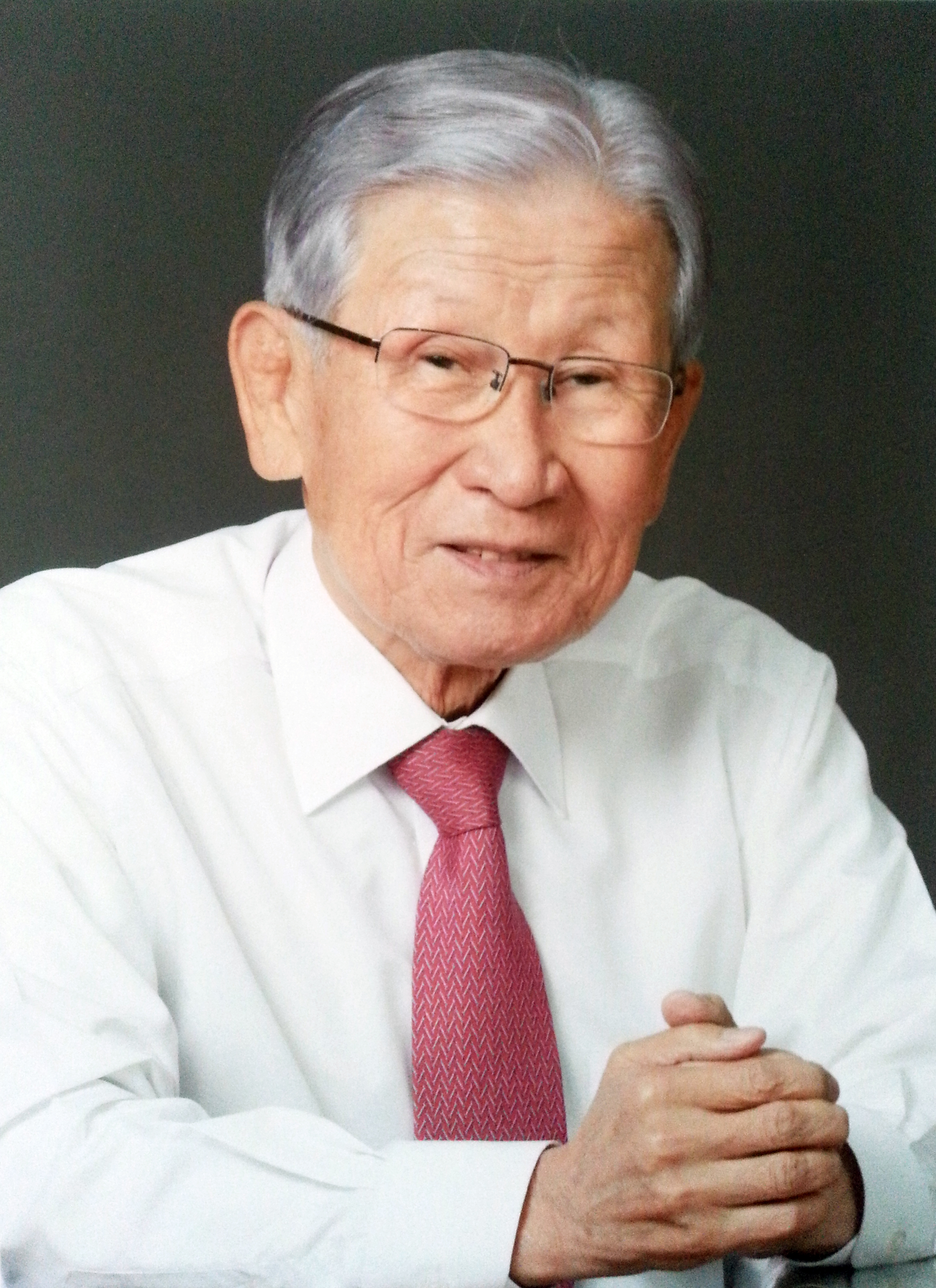
△ 강남주 전 총장. |
이날 강 전 총장의 인터뷰 기사 헤드라인은 “年式 오래돼 쉬어야 했는데 … 이제 일 이뤄졌으니 만세 삼창하고”이라는 문장이었는데, 강 전 총장 특유의 유머러스한 어투가 그대로 느껴진다. 올해 일흔일곱, 그래서 나이가 많아 쉬어야 했는데도 사정이 그리되어 ‘어떤 일’의 책임자로 참여하게 됐고, 그 임무가 잘 끝났으니 이제 그 일에서 손을 놓겠다는 뜻이다.(^^)
그 ‘어떤 일’은 무엇일까? 기사의 꼭지제목을 보자. <‘조선통신사’ 韓日 공동 유네스코 등재 신청 … 산파역 강남주 선생>이었다.
그러니까 ‘어떤 일’은 조선통신사 기록을 유네스코 세계기록유산으로 등재되도록 일본측과 조율해서 체계적으로 정리하고 유네스코에 신청한 일을 말한다. 조선 후기 모두 12회 파견된 조선통신사의 외교·여정·문화 교류에 관한 기록 중 111건 333점이 신청됐다고 한다. 이 과정에서 강 전 총장은 조선통신사 한국학술위원회 위원장을 맡아 봉사했다.
이 신청은 지난달 30일 부산에서 일어난 일인데, 조선일보는 이날 강 전 총장 인터뷰 기사 모두에서 “매스컴은 관심이 없던 사건이 있었다.”, “‘과거 역사’로 갈등해온 두 나라가 ‘과거 역사’를 갖고 함께 이런 작업을 추진한 것이다.” 등의 표현으로 이번 ‘신청의 의미’를 강조했다.
조선통신사가 뭐지? 기사를 따라가 보자.
이 기사는 “조선통신사는 1428년 왜구(倭寇) 문제 해결을 위해 시작됐다. 통신(通信)은 믿음을 서로 통하게 한다는 뜻이다. 조선 중기까지 지속된 통신사 왕래는 1592년 도요토미 히데요시의 조선 침략(임진왜란)으로 중단됐다.”고 소개했다. 이어 “1607년 일본과 강화가 이뤄졌다. 그 뒤로 통신사가 12번이나 파견됐다. 한 번 여정은 1년~1년 반이 걸렸다.”고 덧붙였다.
기사에서 기자가 강 전 총장에게 “두 나라가 함께 유네스코에 등재를 추진한 게 흥미롭습니다. 누구 발상이었습니까?”고 물었다.
이에 강 전 총장은 기사에서 “2006년 시모노세키 축제에 초대됐을 때 만찬장에서 ‘조선통신사의 의미와 가치는 세계사에서도 흔치 않다’며 유네스코 등재에 대해 발언했고, 일본 측에서 ‘대단히 필요하다’고 호응했다.”고 밝혔다. 조선통신사 유네스코 등재는 바로 강 전 총장의 아이디어였던 것이다.
기자가 또 “조선이 사대(事大)의 예로서 중국에 사신을 보냈듯이 조선통신사는 역학관계에서 일본의 우위를 보여주는 게 아닐까요?”라고 물었다.
강 전 총장은 “1719년 통신사 일행으로 간 신유한(申維翰)이 쓴 일기(海遊錄)를 보면 ‘문밖에서 일본인들이 글씨 한 점을 얻고자 기다리고 있다. 청을 다 들어주느라 닭이 울 때까지 글을 써 죽을 지경이었다.’는 게 나옵니다. 통신사는 요즘으로 치면 한류(韓流) 전파와 관계된 것이었지요.”라고 답했다.
이어 그는 “통신사 파견 비용은 부산을 벗어나면 (일본 안에서는) 모두 일본 측에서 댔다는 겁니다. 일본 측 요구가 컸다는 뜻이죠. 행렬이 지나는 길목의 번주들이 숙식과 호위를 책임졌어요. 그 경비가 막부의 1년 예산과 맞먹었던 겁니다.”고 덧붙였다.
강 전 총장은 처음 어떻게 조선통신사와 인연을 맺게 됐을까? 바로 그의 전공이 그 디딤돌이었다. 그는 시(詩) 이론이 전공이다.
기사에 따르면, 그는 우리 시의 정서적 바탕, 원형이 무엇인지를 찾기 위해 20여 년간 남해와 서해의 섬들을 다니며 구전민요, 설화 무속 등을 조사했다. 그 일환으로 조선통신사의 일본 내 첫 도착지인 쓰시마를 방문했다가 조선통신사를 접하게 된 것.
그 때 강 전 총장은 친분이 있던 안상영 부산시장, 유흥수 한나라당 의원, 김상훈 부산일보 사장 등과 함께 조선통신사를 부산의 문화적 자산으로 활용하기로 의기투합한 것. 그래서 2002년 조선통신사문화사업회 집행위원장으로 그가 첫 통신사 재현행렬을 했고, 지금까지 매년 5월 첫째 토요일 그 행사가 이어져오고 있다.
2002년부터 시작된 강 전 총장의 통신사 인연은 올해로 15년이 됐다. 그는 기사 말미에서 “나는 잠시 이 일을 맡았는데 빈말처럼 15년이 됐습니다. 이제는 만세를 부르고 물러날 수 있겠지요.”라고 말했다. 혼자 견뎌야했을 우여곡절도 느껴지고, 많은 이들에게 이로운 일을 해냈다는 보람도 느껴지는 발언이다.
그러나 ‘만세를 부르고’ 조선통신사 일에서 물러나도 그는 여전히 바쁠 것이다. 2013년, 나이 75세에 소설가로 등단해 주위를 놀라게 했던 그는, 최근 사석에서 장편소설을 쓰고 있다고 했다. 소재는 조선통신사 화가로 일본을 방문했던 동래부 소속 화가 변박이다.
그 소설이 원고지 600장을 넘겼다고 했다. 그런데 그 원고 파일이 컴퓨터에서 지워지는 낭패를 겪었다. 그리고 애면글면 그 원고를 다시 썼다고 한다. 그런데 최근 그는 “이 소설이 성에 차지 않아서 처음부터 완전히 다시 쓰고 있다.”며 ‘문학하는 어려움’을 토로하기도 했다.
그의 카톡 상태 메시지 ‘지금 뭘 하고 있지?’는 아직 바뀌지 않았다. 지금 뭘 하고 있느냐고 게으름을 경계하는 그의 삶은, 그래서 늘 촘촘하고 역동적이다.<부경투데이>
Former President of PKNU Interviewed on Chosun Daily Newspaper
- Man who carried forward fifteen year’s collaborative process with Japan to register Joseon Tongsinsa on UNESCO list
Kang Nam-ju, former president of Pukyong National University, was introduced on the interview section of the Chosun Ilbo (Chosun Daily Newspaper) on 4 April. It is a full-page article under the headline ‘Finally, hooray, farewell to the job.’
He got to take one job instead of taking a rest despite his age, 77 this year, and the job came to an end recently. Then what is this JOB?
Korea and Japan made a joint application to register documents recording the activities of the so-called "Joseon Tongsinsa" on the UNESCO Memory of the World. Among the nominated materials encompassing diplomatic documents, travel records and cultural exchange records in relation to 12 diplomatic goodwill missions dispatched from Korea’s Joseon Dynasty government to Japan’s Tokugawa Shogunate government during 1607-1811, a hundred and eleven documents (333 items) were applied. And he was director of the Joseon Tongsinsa Research Council of Korea.
Details about Joseon Tongsinsa are contained in the newspaper. Joseon Tongsinsa’s ‘Tongsin’ means ‘to exchange trust.’ These cross-cultural exchanges based on mutual respect and the principle of sincerity and friendship started in 1428, but had been severed due to the invasion of Korea ordered by Toyotomi Hideyoshi (Japan’s ruler) in the late 16th century. The two countries signed a peace treaty in 1607, and since then, the court of the Joseon Dynasty sent the envoys to Japan’s leaders on twelve different occasions. As they traveled via sea and over land, one journey took between 12 to 18 months.
To the question “It’s interesting that two countries actually cooperated to apply for the registration. Whose idea was that?” the former president answered “I spoke about the importance and value of Joseon Tongsinsa in the world history at the dinner party of Japan’s Shimonoseki festival in 2006, and they agreed on the necessity of applying for UNESCO listing.” It was no one but his own idea.
Answering to another interview question “Can’t Joseon Tongsinsa be considered to show the dominance of Japan in the relations with Korea of the time as we can suppose in the case of Joseon sending envoys to China as a way of expressing the respect?” he said, “Sin Yu-han, who went on one of the journeys in 1719, wrote in his travel diary that ‘it was such a pain because there was no time for us to rest. The Japanese people lined up outside our lodgings one after another to receive poems and calligraphy pieces.’ They were one popular Korean culture abroad, a kind of present-day Hallyu.”
“Travel expenses were covered by the Japanese people when the envoys were inside their territory, which implies that their demand was great. On the way to and from Edo, the ambassadors and retinue were hosted by the feudal lords of various domains in Japan. It cost almost the same amount of money as the entire yearly budget of the shogunate government.”
The application documents were submitted to UNESCO on 30 March. The article illustrated the significance of the application by mentioning “despite indifference of the media,” “two countries clashing over the past history cooperate over the past history.”
Then what’s the connection between him and Joseon Tongsinsa?
According to the article, the former president Kang studied poetic theory in the university. He traveled to islands in the western and the southern sea for 20 years to research the emotional background and origin of the Korean poem investigating orally handed down songs, folk tales and shamanism. In line with this, he also visited Tsushima, the Joseon Tongsinsa’s first arrival city in Japan.
Together with the then-mayor of Busan Ahn Sang-young, the then-assemblyman for the Hannara Party Yoo Heung-soo, the then-president of the Busan Ilbo Kim Sang-hoon, they agreed on promoting Joseon Tongsinsa as a cultural asset of Busan. Kang, as the director of Joseon Tongsinsa Cultural Business Council, initiated the first Joseon Tongsinsa festival in 2002, and the festival continues to be held every year, until now, on the first Saturday of May.
Since 2002, he has worked relating to this Joseon Tonsinsa for 15 years. He said in the interview, “First I thought I would take this job only for a while, but it’s been 15 years in a blink of an eye. Now the job is almost finalized, so it’s time to hurray and step back.” His twists and turns throughout the years and also great feelings to complete the huge project are all found in his words.
However, it doesn’t seem that he would be able to have a good rest even after “hurraying and stepping back” from THE job. Kang, who surprised those around him when he started his literary career as a novelist in 2013 at his age of 75, said he was in the process of writing a new novel, about a man name Byeon Bak who visited Japan as a painter as well as member of Joseon Tongsinsa.
He said he had written the story over 600 pages, but the file was accidently deleted from the computer, which made him write the story all again. He recently complained about the difficulty of creating literature, saying, “The rewritten story doesn’t satisfy me, I’m starting a completely new one.”
Still, the question written in his Kakaotalk status, ‘What are you doing right now?’ has not changed. His life is far from the laziness, thereby dynamic. <Pukyong Today>
|




